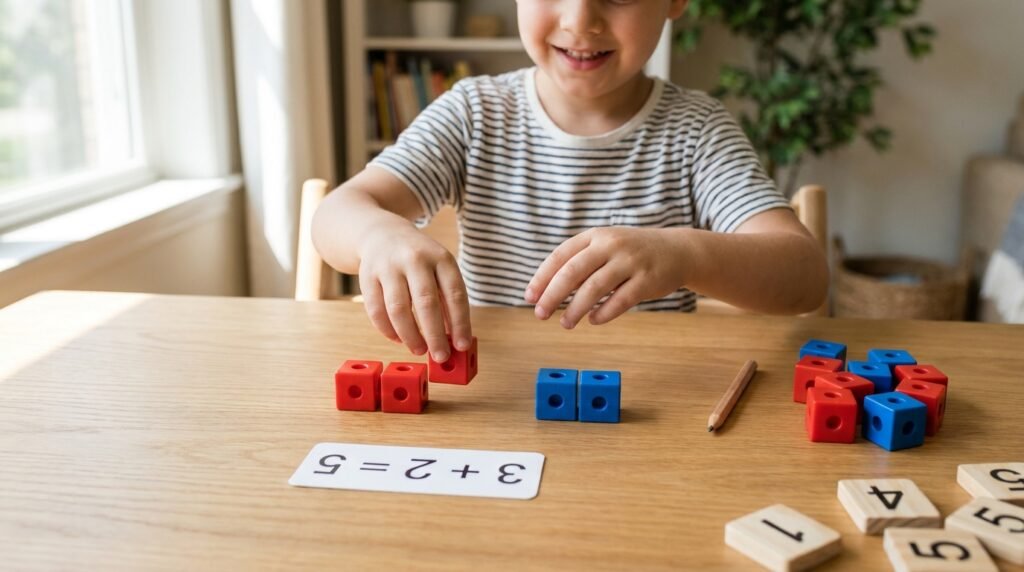
Math does not have to feel boring or stressful for children. In fact, some of the best math lessons happen during play, movement, and simple hands-on activities at home or in the classroom. When children can touch, move, sort, count, and explore, numbers become easier to understand.
These fun math activities for kids can help build confidence while making learning feel more natural. Many of them use simple materials such as paper, dice, blocks, toys, or household objects. Parents, tutors, and teachers can use these ideas to make math practice more exciting and more memorable for children.
1. Counting with Colorful Buttons
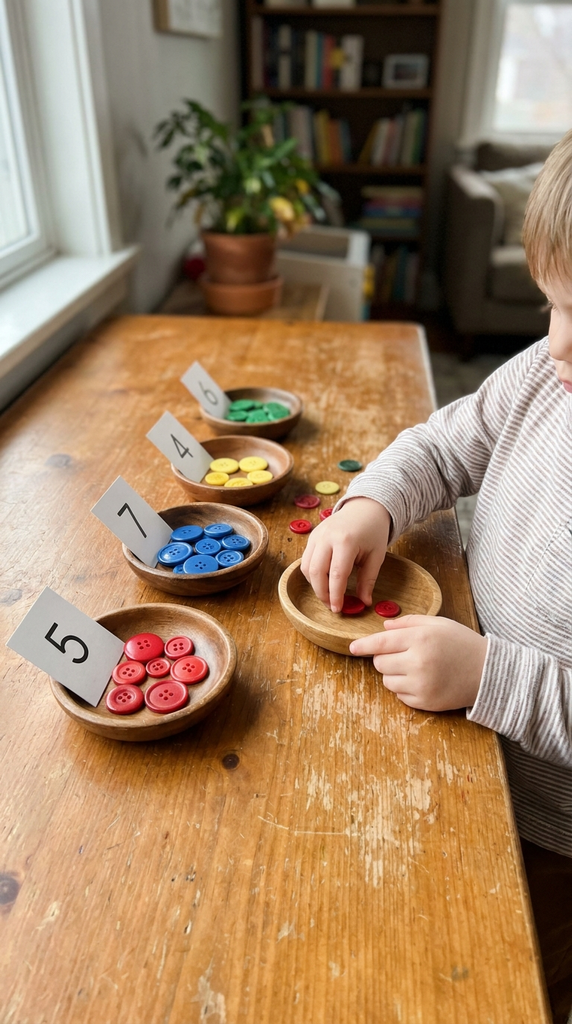
A simple counting activity using colorful buttons can make number practice more fun for young children. Place a small pile of bright buttons on a table and ask the child to sort them by color, then count how many buttons are in each group. You can also write numbers on paper and let the child match the correct number of buttons to each number.
This activity works well because it combines sorting, counting, and number recognition in one playful task. A child can sit at a table with bowls or paper circles, moving red, blue, yellow, and green buttons into separate groups. The colourful materials make the activity feel cheerful and visually engaging, which is especially helpful for younger learners.
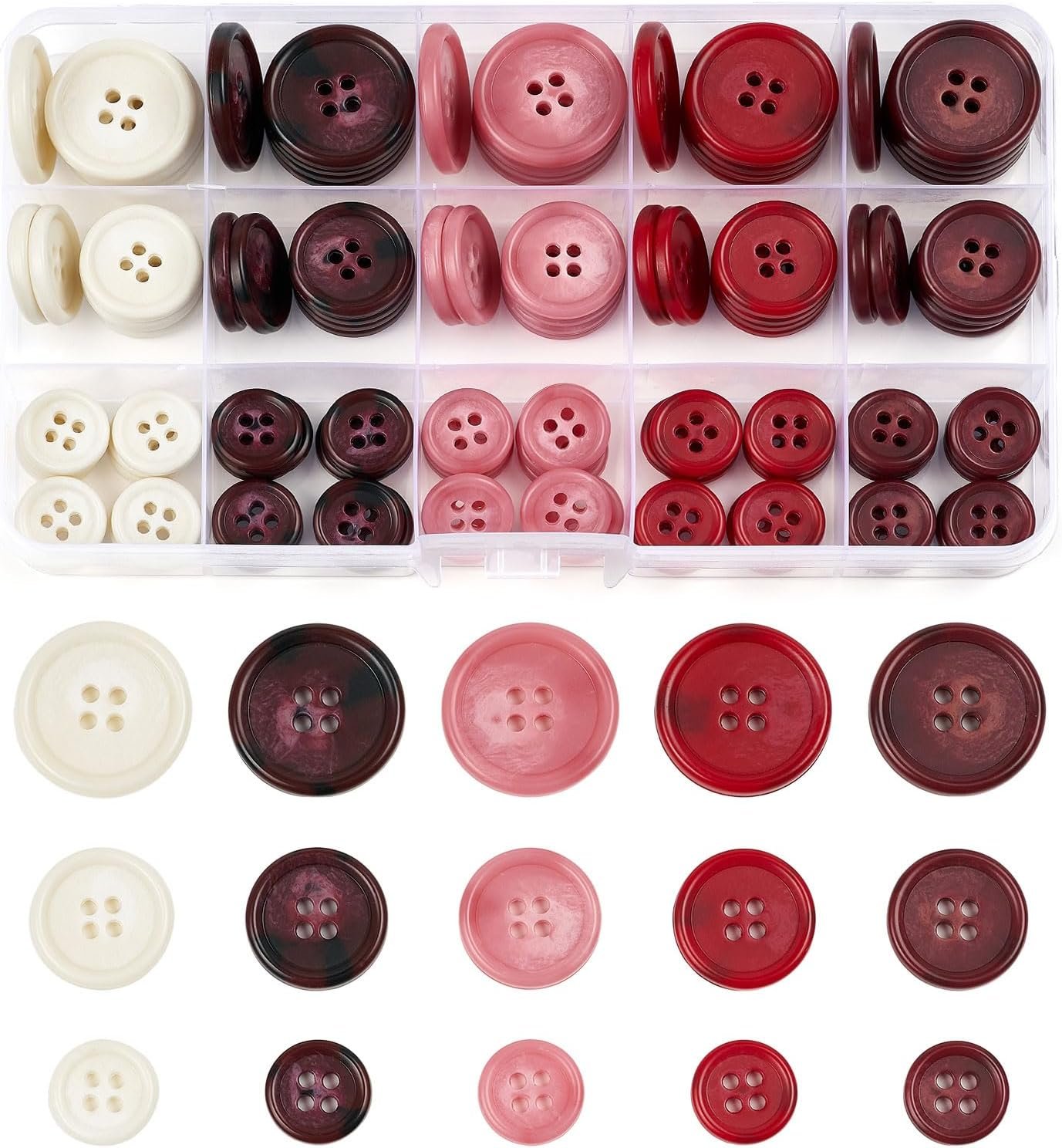
This 105-piece sewing button set includes 5 colors and 3 sizes (15mm, 20mm, and 25mm). Made from durable, lightweight resin, these smooth, waterproof buttons are suitable for clothing repairs, DIY crafts, scrapbooking, and decorating coats, shirts, jackets, bags, and more.
2. Hopscotch Math Game
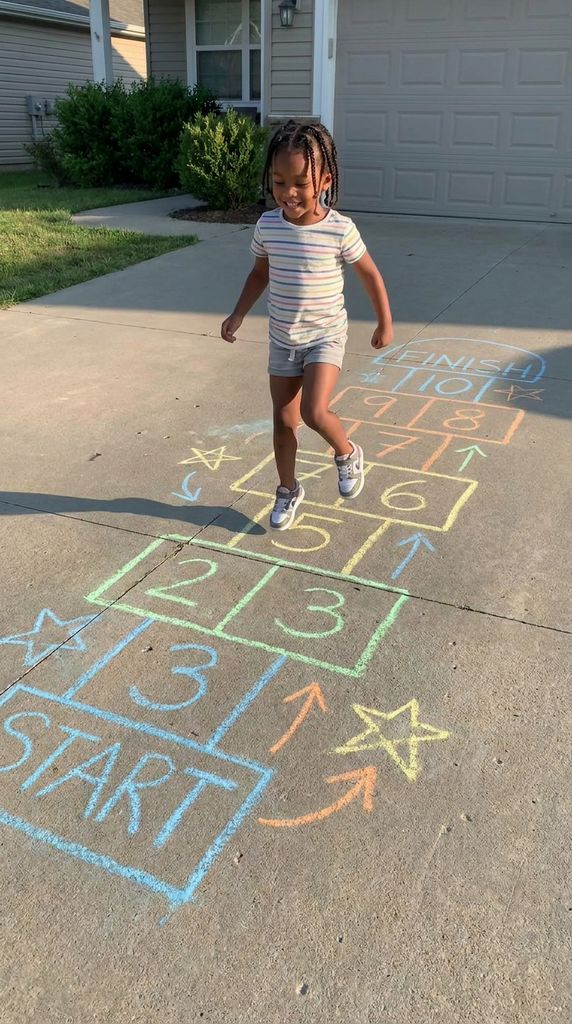
A hopscotch math game is a great way to mix movement with learning. Draw a hopscotch board outside with chalk or create one indoors using paper squares taped to the floor. Instead of writing numbers in the usual order, you can place simple addition, subtraction, or number recognition tasks in each square. The child jumps to the correct answer after hearing the question.
This activity is perfect for energetic children who learn better when they can move their bodies. Imagine a child hopping from one square to another while solving simple math problems. The setting can be a sunny driveway, a playground, or a bright indoor learning space. This kind of active play helps children practise math while staying physically engaged.
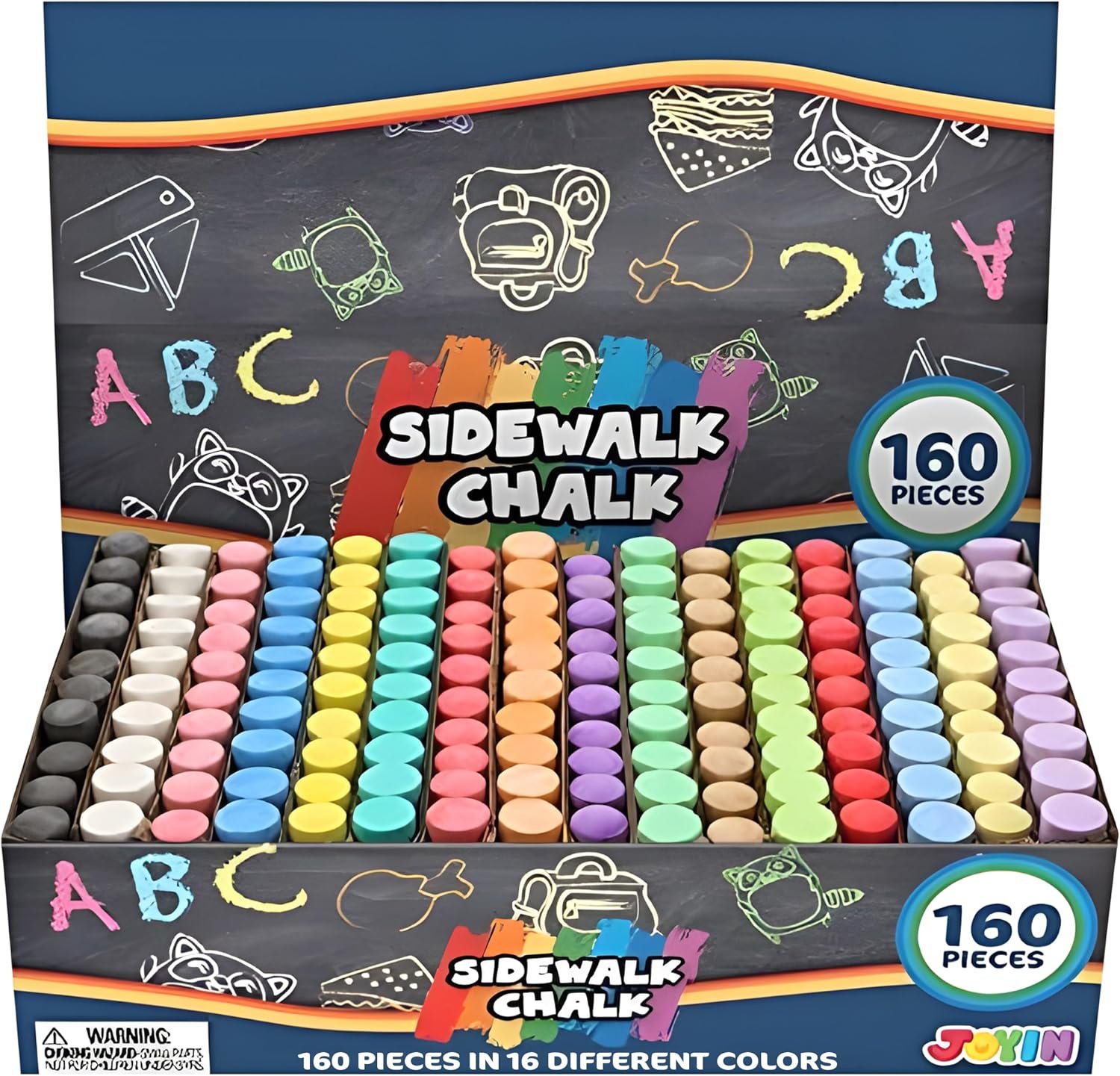
This 160-piece washable sidewalk chalk set features 16 vibrant colors for outdoor drawing and creative play. Made with non-toxic, child-safe materials, the chalk is easy to use and washes off surfaces, making it ideal for kids, schools, summer camps, and art activities.
3. Dice Addition Race
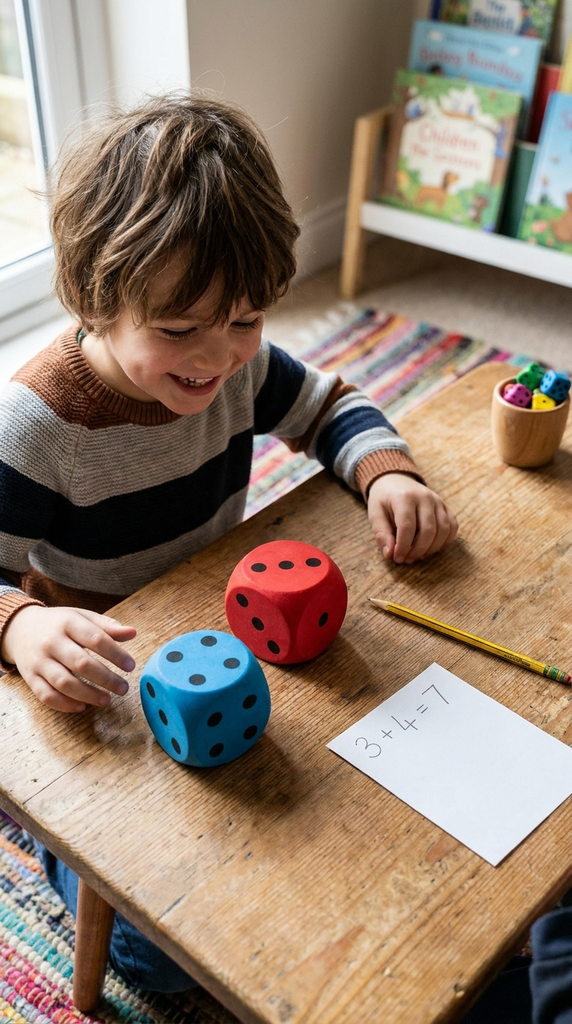
A dice addition race is a fast and exciting activity for children who are learning basic addition. Give the child two dice and ask them to roll both, then add the numbers together as quickly as possible. You can turn it into a race by setting a timer or by letting two children take turns and see who answers first.
This game is fun because it feels like a challenge rather than a worksheet. A child can sit at a table with a pair of large dice, a pencil, and a score sheet, smiling while adding the rolled numbers. You can use colourful classroom dice or oversized foam dice to make the activity more visually interesting. It is a simple way to build confidence with quick number facts.
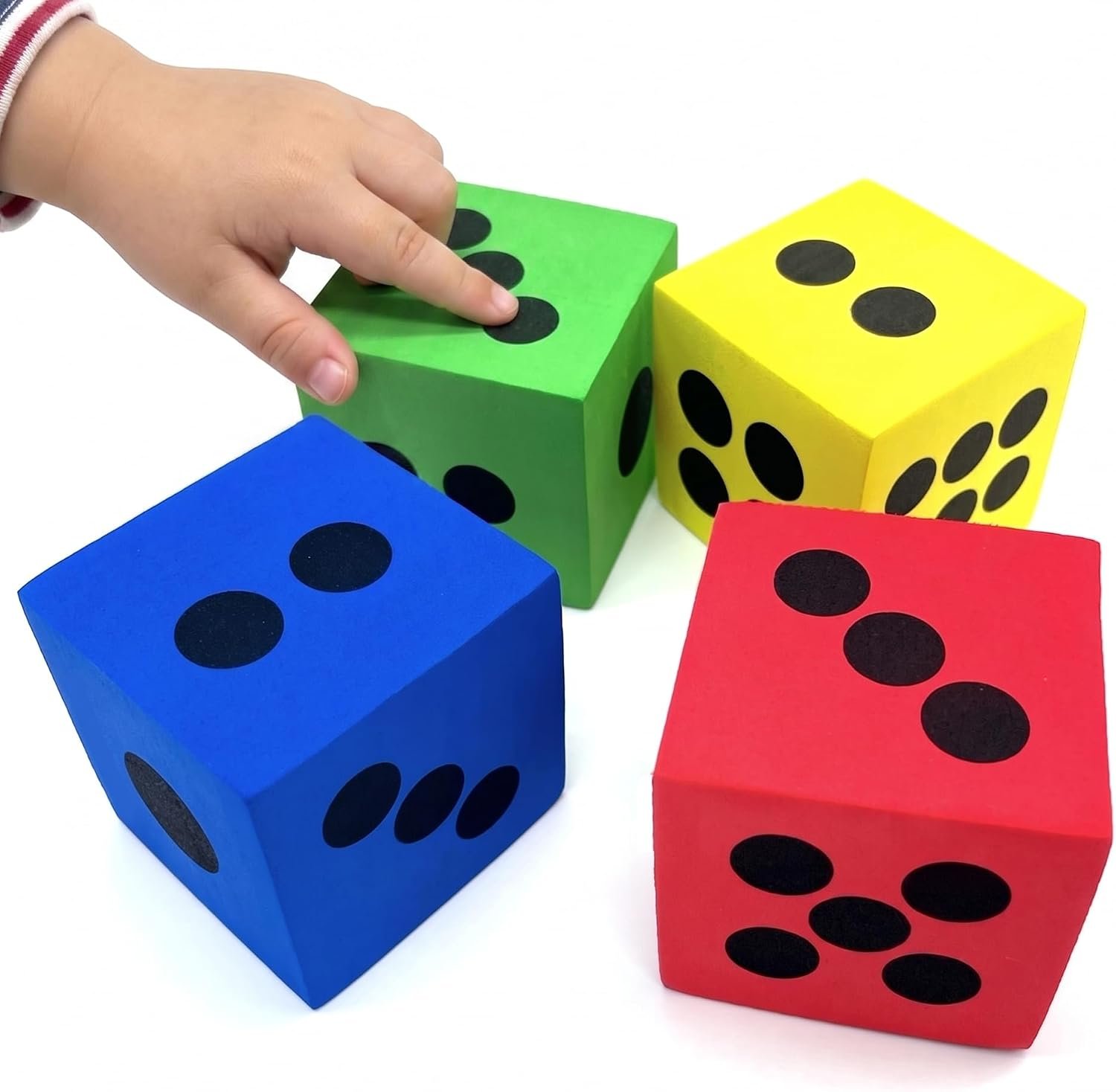
These jumbo 2.5-inch foam dice are perfect for teaching counting, basic math, and fun learning activities. Made from durable, kid-friendly foam, they are ideal for classroom games, home activities, parties, and interactive play.
4. Shape Hunt Around the House
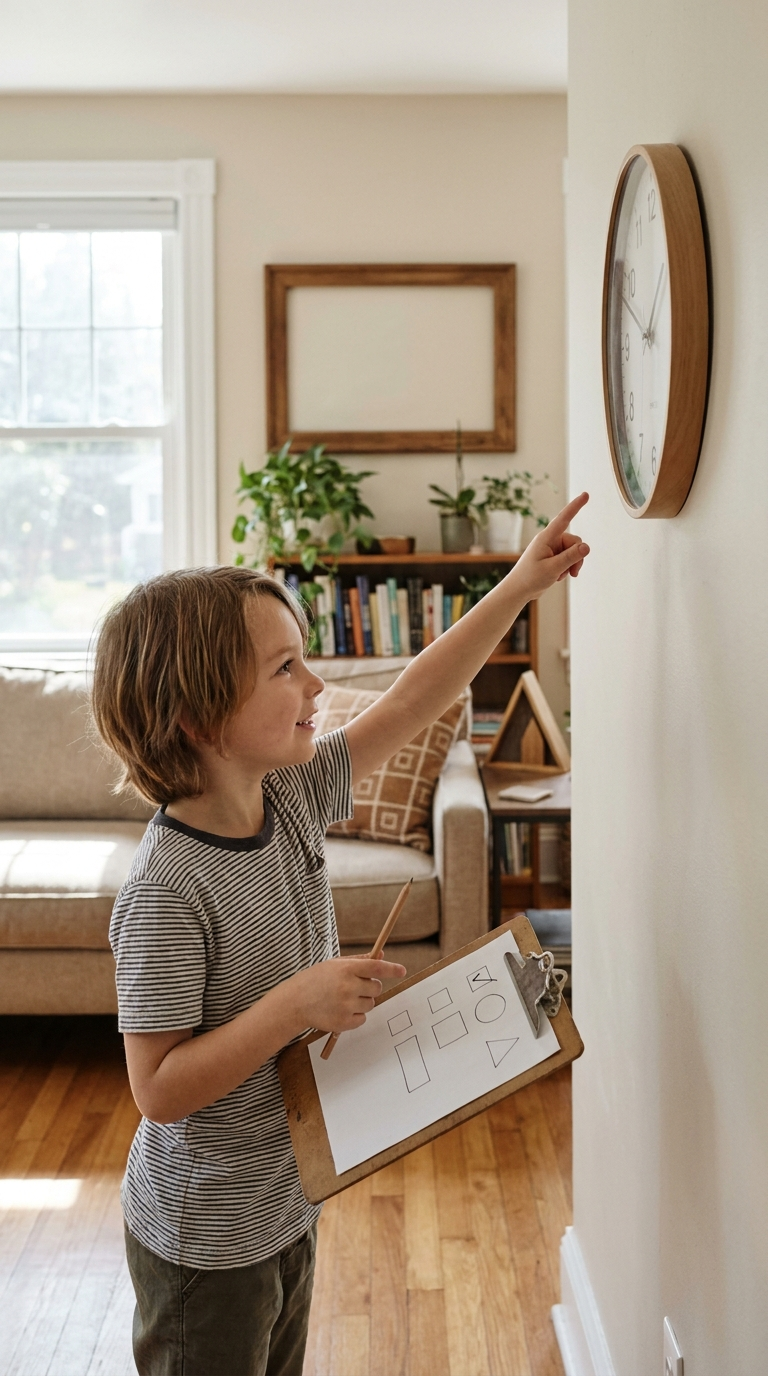
A shape hunt around the house helps children connect math to the real world. Ask the child to look for circles, squares, rectangles, triangles, and other shapes in everyday objects. For example, a plate can represent a circle, a window can represent a rectangle, and a slice of pizza can represent a triangle.
This activity encourages observation while making geometry more practical and fun. A child can walk around a cosy living room, kitchen, or classroom with a checklist in hand, pointing to lamps, books, clocks, and boxes. It turns a normal environment into a math adventure. Children often enjoy discovering that shapes are everywhere once they know what to look for.
5. Building Towers with Blocks
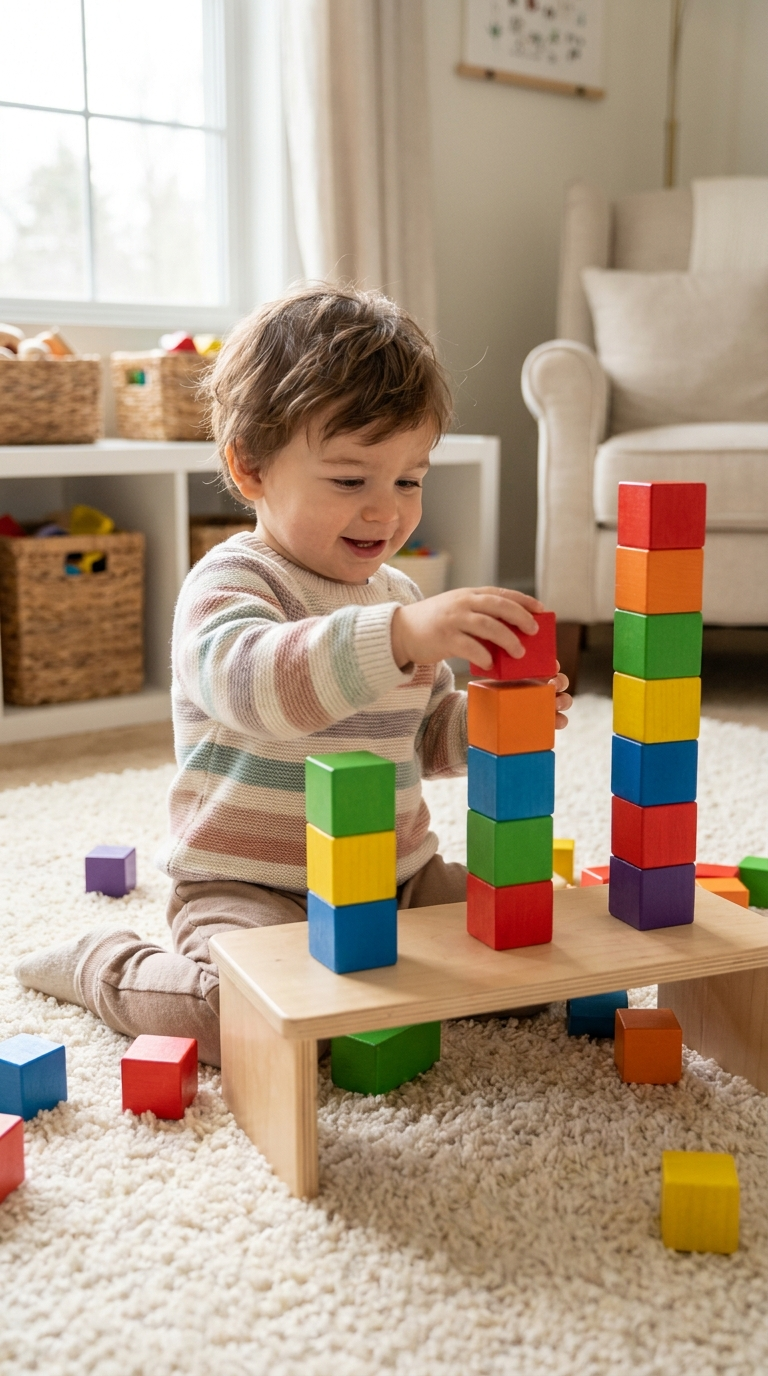
Building towers with blocks is a fun way to explore counting, comparing, and measurement. Ask the child to build towers using different numbers of blocks, then compare which tower is taller, shorter, or equal in height. You can also challenge them to build a tower with exactly ten blocks or create two towers and find the difference in height.
This activity is helpful because it turns abstract math ideas into something children can see and touch. Picture a child sitting on the floor with colourful stacking blocks, building several towers in different heights. The child can count each block aloud and proudly compare the finished towers. It is a playful way to introduce early measurement and number comparison.
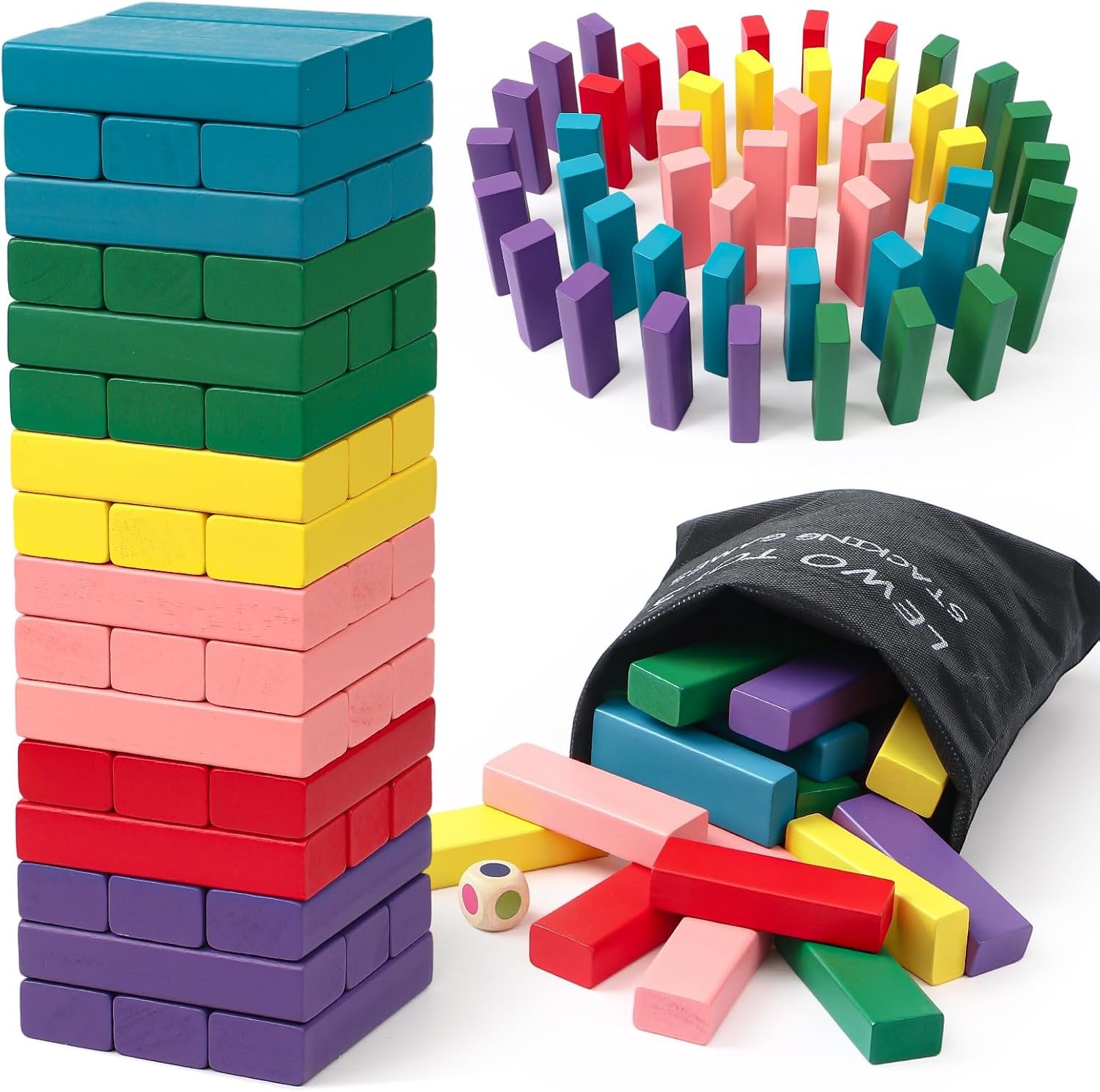
This colorful wooden tower game includes 48 building blocks and a dice for exciting family fun. Players roll the dice, remove matching colored blocks, and stack them on top without knocking down the tower. Ideal for developing color recognition, coordination, and fine motor skills. Suitable for ages 3 and up.
6. Math Scavenger Hunt
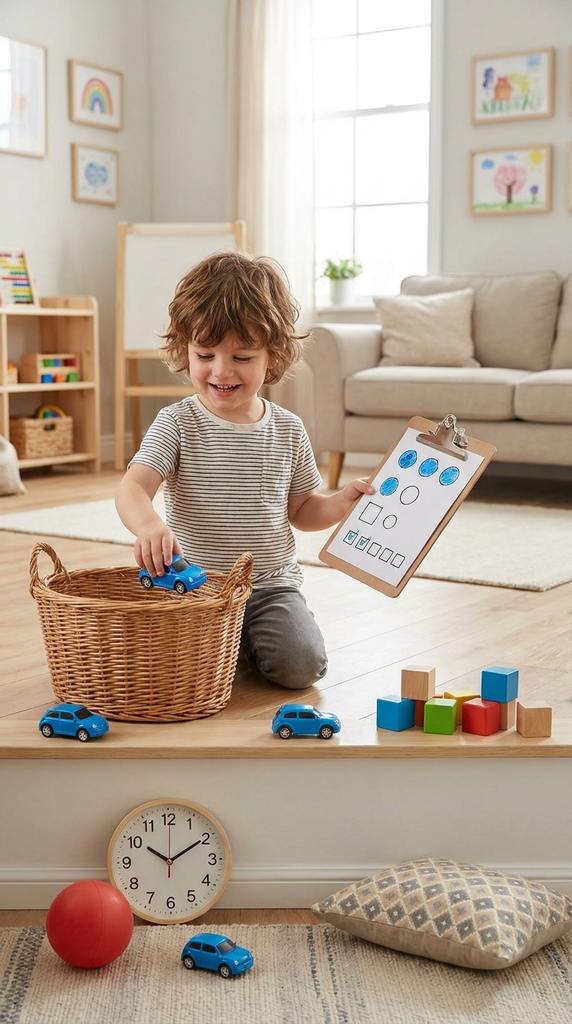
A math scavenger hunt makes learning feel like a treasure hunt. Create a list of simple tasks such as “find 3 blue objects,” “find something shaped like a circle,” or “bring back 5 small toys.” The child moves around the room or house while collecting or identifying items that match each math clue.
Children often enjoy this because it feels active and playful. A young learner can carry a small basket or bag while searching for objects in a tidy playroom, classroom, or family room. The activity can include counting, sorting, shape recognition, and even simple comparisons. It is a great option for parents or tutors who want a low-prep math activity that keeps children interested.
7. Fraction Pizza Craft
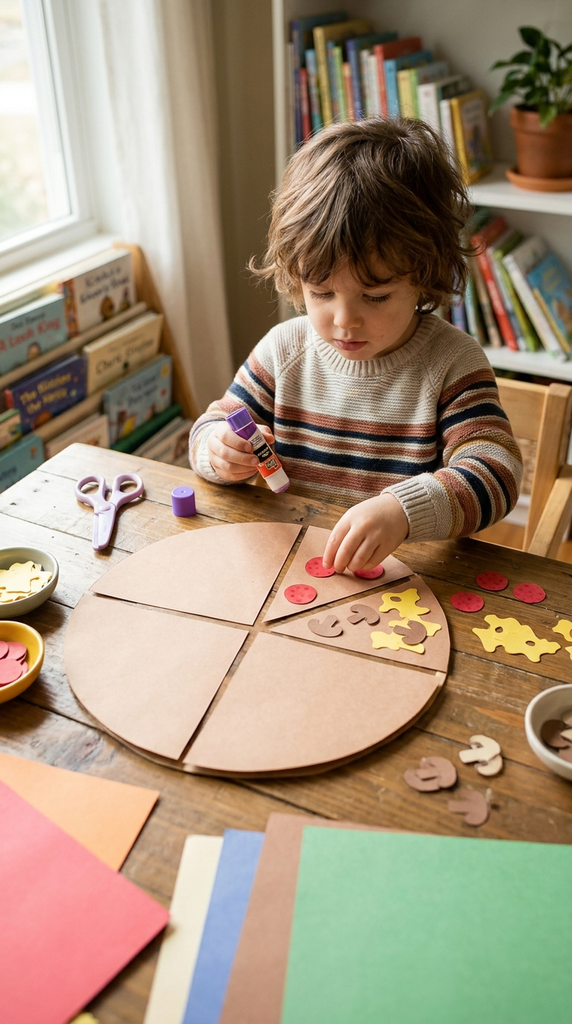
A fraction pizza craft is a creative way to teach children the basics of fractions. Cut a paper circle to look like a pizza, then divide it into equal slices such as halves, thirds, quarters, or eighths. Children can decorate each slice with paper toppings like pepperoni, mushrooms, or cheese and then learn how the whole pizza is divided into parts.
This activity works well because children can clearly see what fractions mean. A child can sit at a craft table with a paper pizza, child-safe scissors, glue, and colourful toppings made from paper. The visual of a pizza divided into slices makes the math concept easier to understand. It is also a great activity for making lessons feel creative instead of overly academic.
8. Coin Sorting and Counting Game
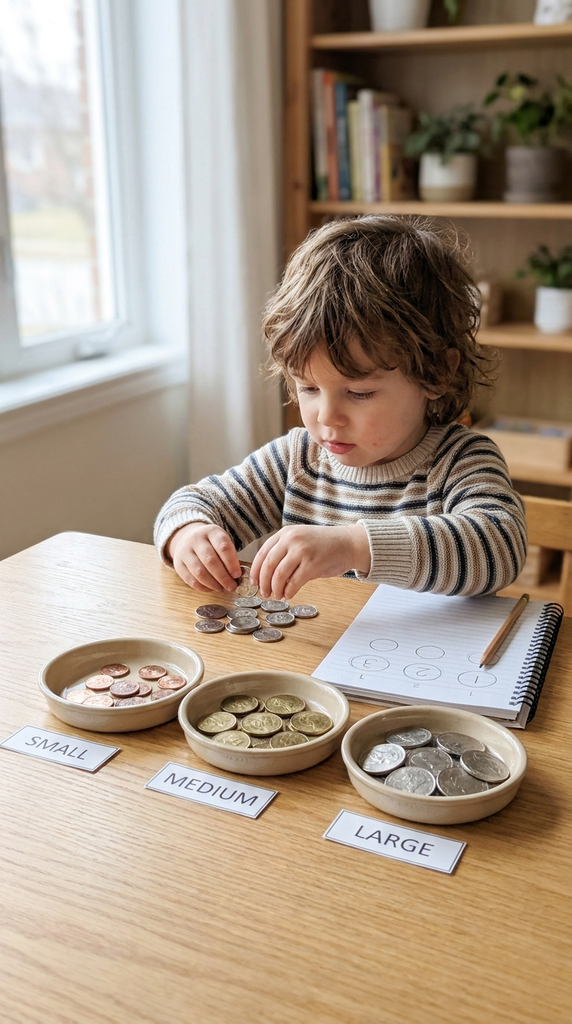
A coin sorting and counting game is a practical activity that helps children learn about numbers and money at the same time. Give the child a small collection of coins and ask them to sort them by size or type. After sorting, the child can count how many coins are in each group and, if they are ready, add the values together.
This activity is useful because it introduces real-life math skills. A child can sit at a table with neat piles of coins, small containers, and a simple worksheet or notebook. The shiny coins, organised groups, and hands-on counting make the lesson feel realistic and useful. It also helps children become more comfortable with basic financial concepts from an early age.
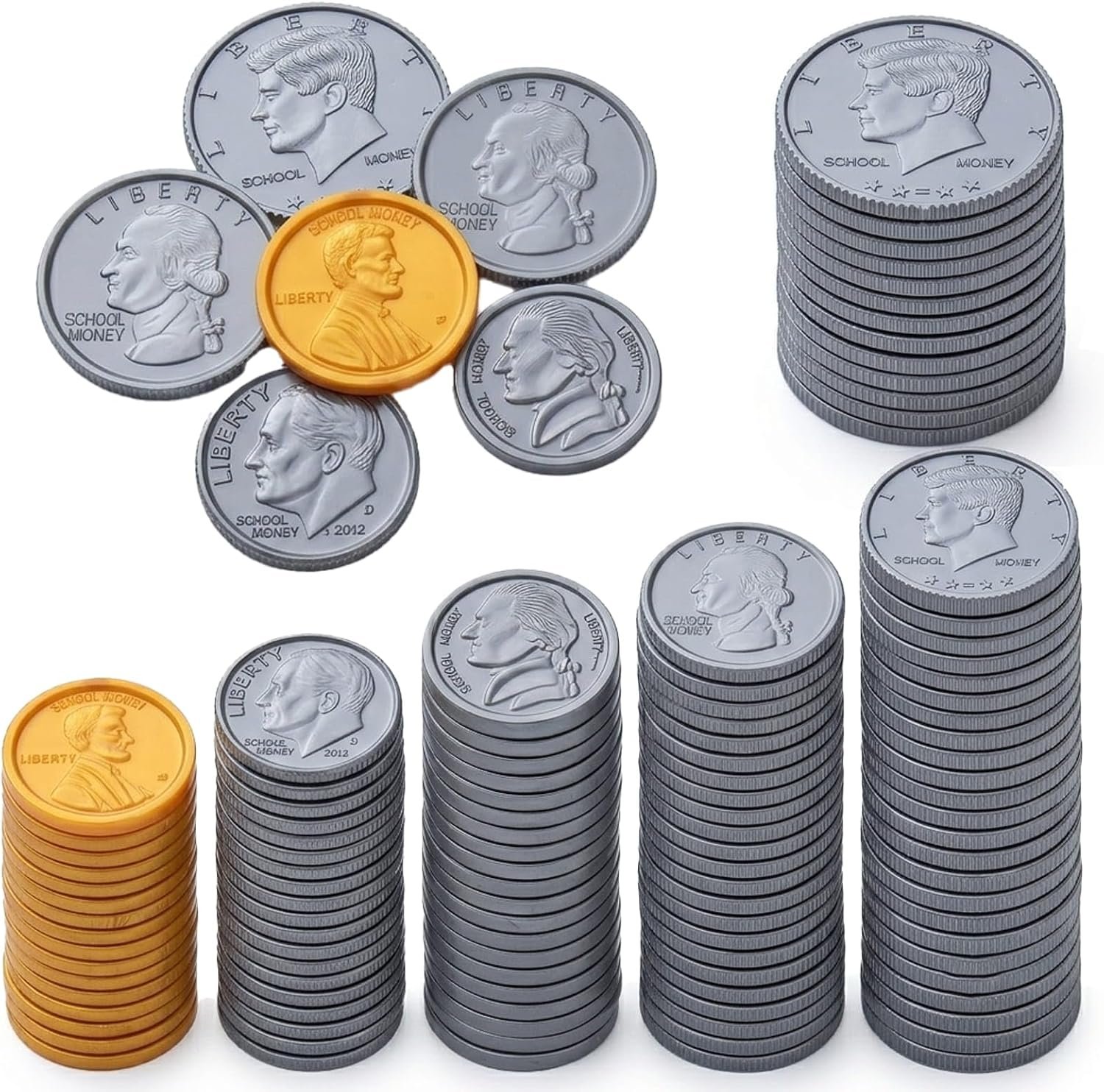
This 250-piece plastic play coin set includes five coin types for hands-on money learning and pretend play. Perfect for practicing coin recognition, counting, addition, subtraction, and making change. Ideal for classrooms, homeschooling, pretend stores, board games, and creative activities.
9. Pattern Making with Beads
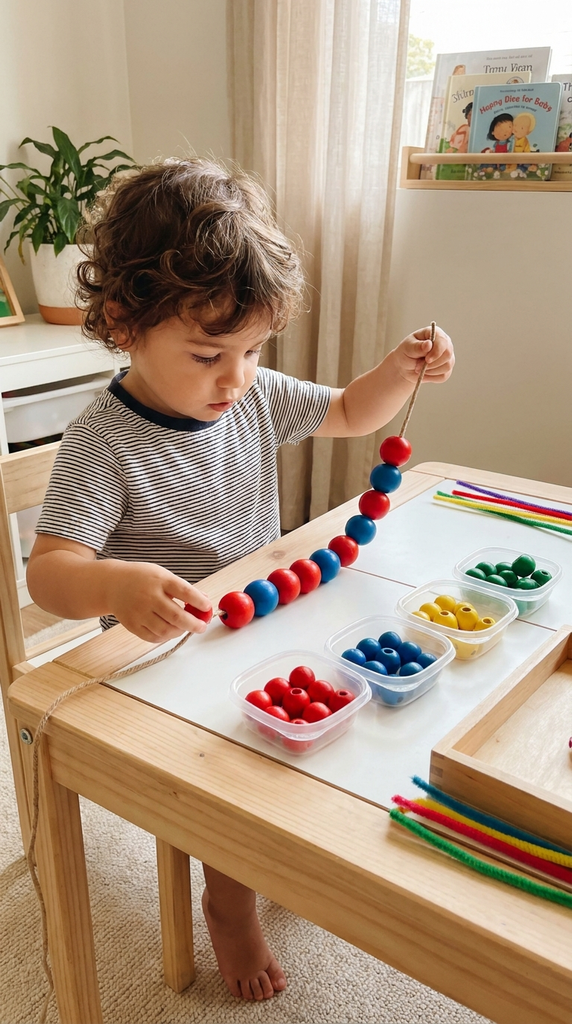
Pattern making with beads helps children develop early math thinking through colour and order. Give the child beads in different colours and ask them to create repeating patterns such as red-blue-red-blue or yellow-green-yellow-green. You can start with simple patterns and then make them more challenging as the child improves.
This activity is excellent for teaching sequencing and logical thinking. Imagine a child sitting at a bright table, carefully threading colourful beads onto a string to make a bracelet or necklace. The child focuses on repeating the same order again and again. The finished craft gives them something beautiful to show for their work, which can make the activity even more rewarding.
10. Measuring in the Kitchen
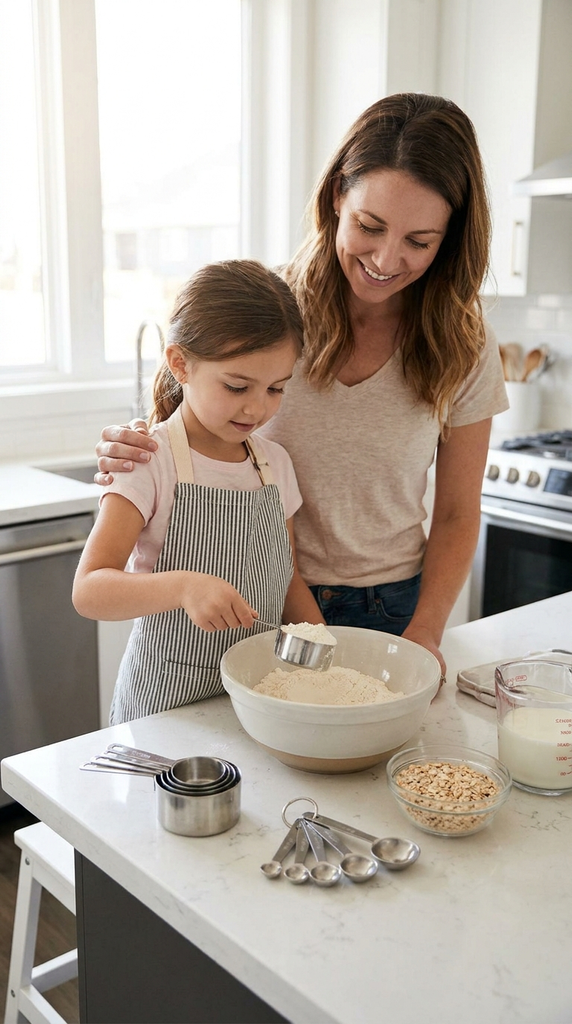
Measuring in the kitchen is one of the most practical and enjoyable math activities for kids. While making a simple recipe, children can practise measuring ingredients using cups and spoons. They can count scoops, compare amounts, and begin to understand ideas such as full, half, more, and less.
This activity is especially effective because it connects math to everyday life. A child can stand in a bright kitchen with mixing bowls, measuring cups, flour, milk, or oats, helping an adult prepare a simple snack. The child learns that math is not just something found in books. It is also part of cooking, baking, and daily routines. That makes the lesson feel meaningful and easy to remember.